Aquaponics System in Smart GreenHouse

Aquaponics System in Smart GreenHouse

Agriculture 4.0| Bio Integrated farming

Objective

Building “Bio Integrated farm” where utilizing sustainable practices for plants, animals, Compost Piles, Aquaponics, Chicken, and More in a ZERO waste system.

Full System Components

In a smart greenhouse where building units of Aquaponics System, Compost unit, Biological Pesticides unit and Azolla Unit with Real Time Monitoring and Management by IoT System.
1. Aquaponics System

System Specs:

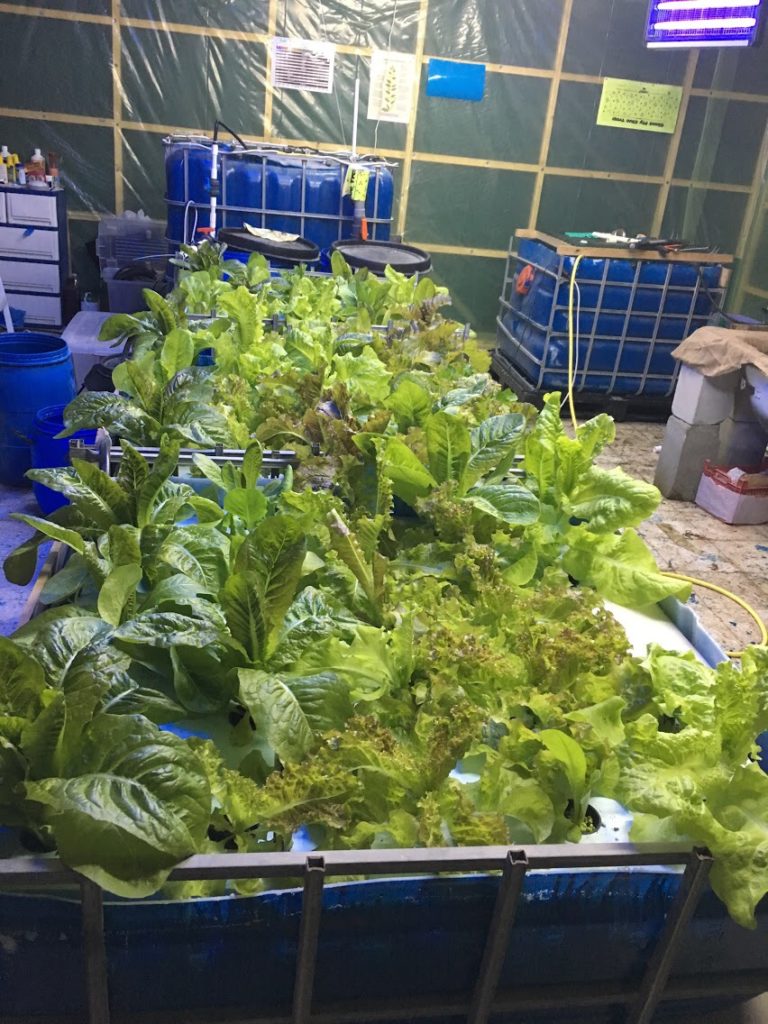
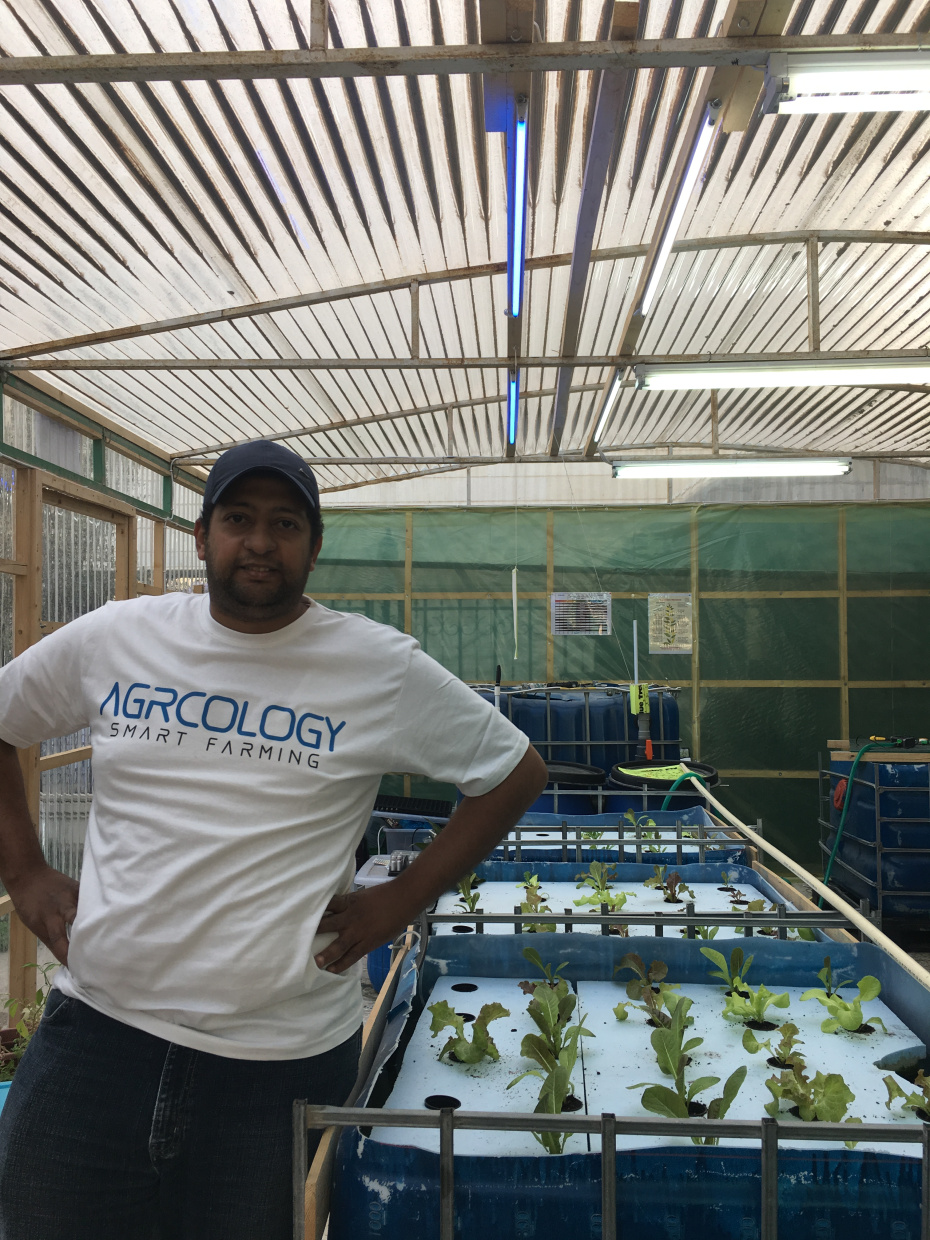
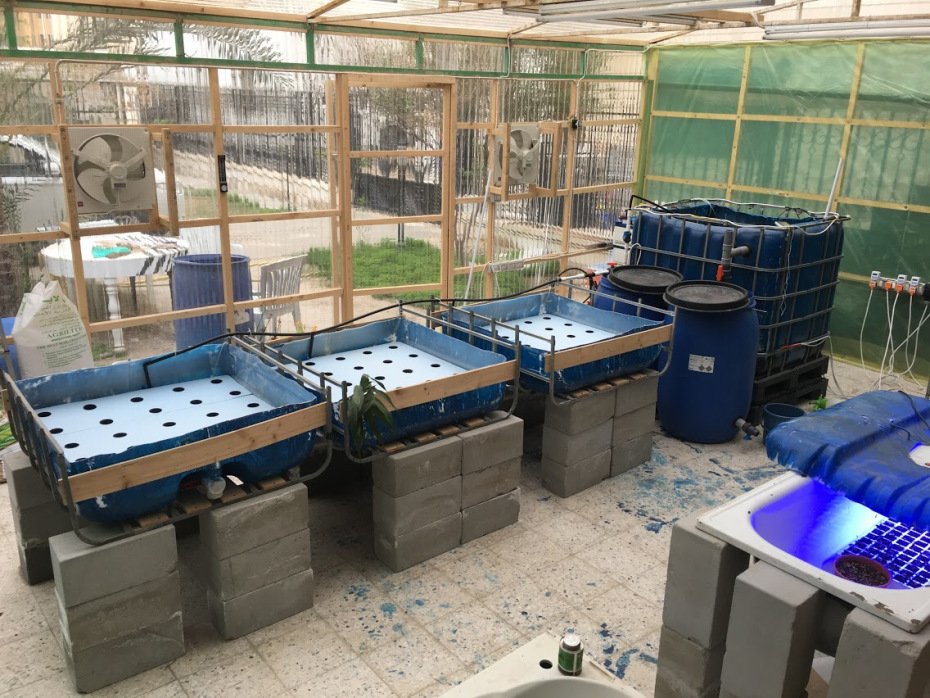
In a greenhouse made of poly-carbonate with 35 m2 Area, there is aquaponics system that consists of:

    • Three grow beds where foam boards rafts is floating above, 1.2 m Length – 1 m Width each.
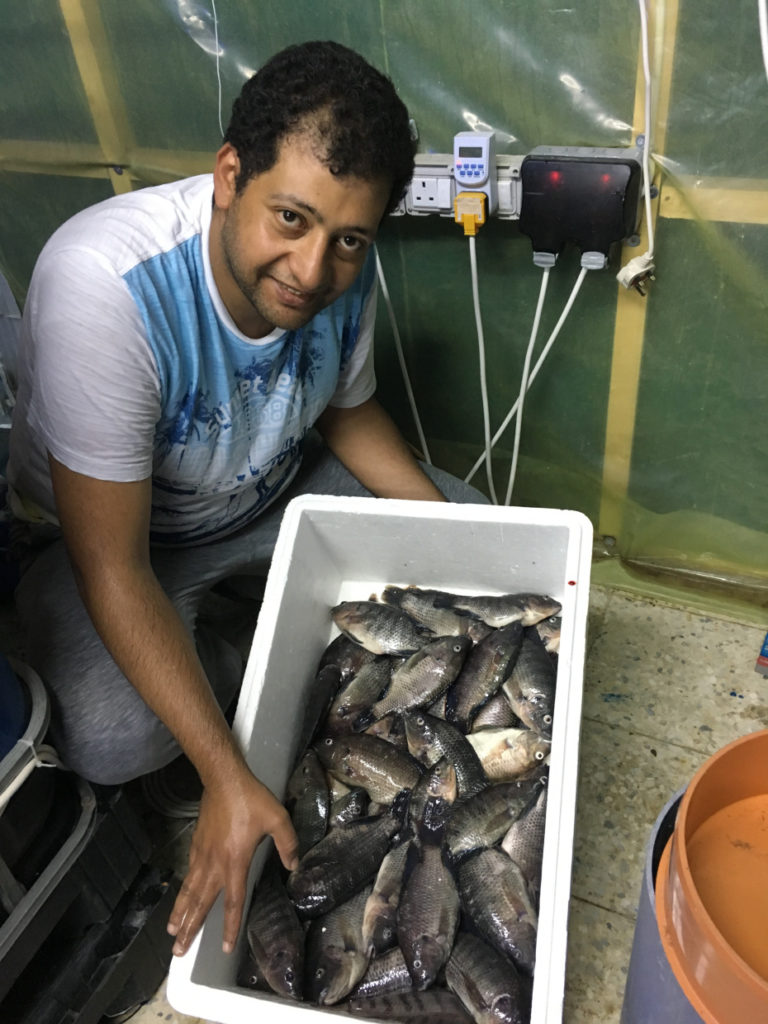
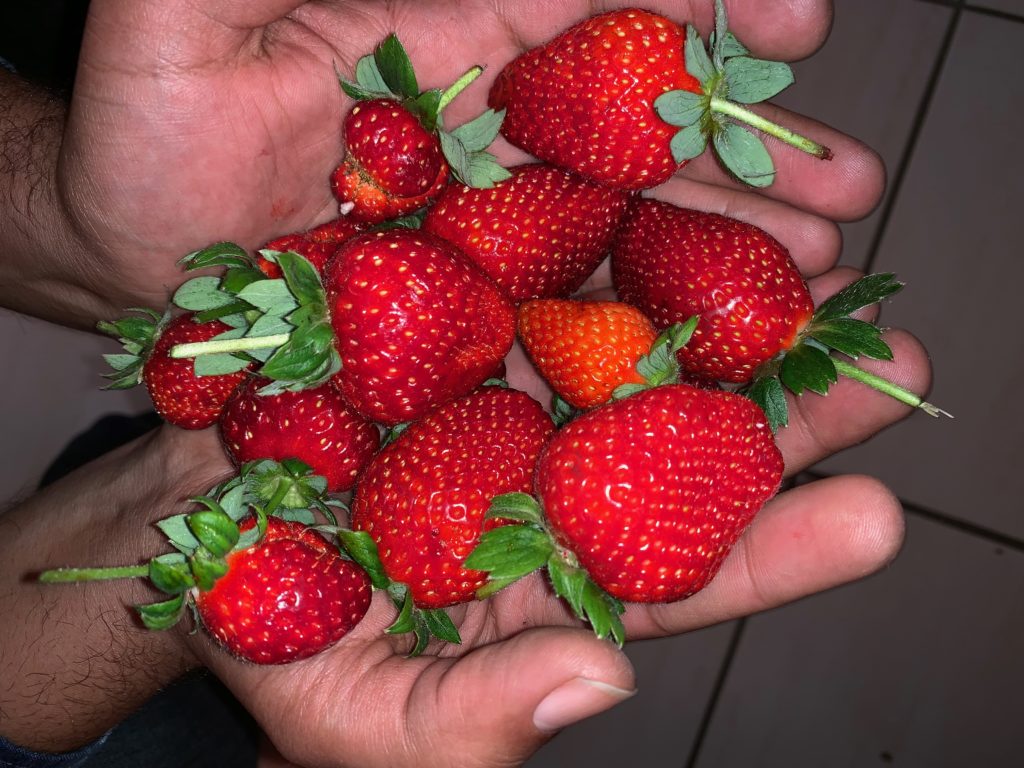
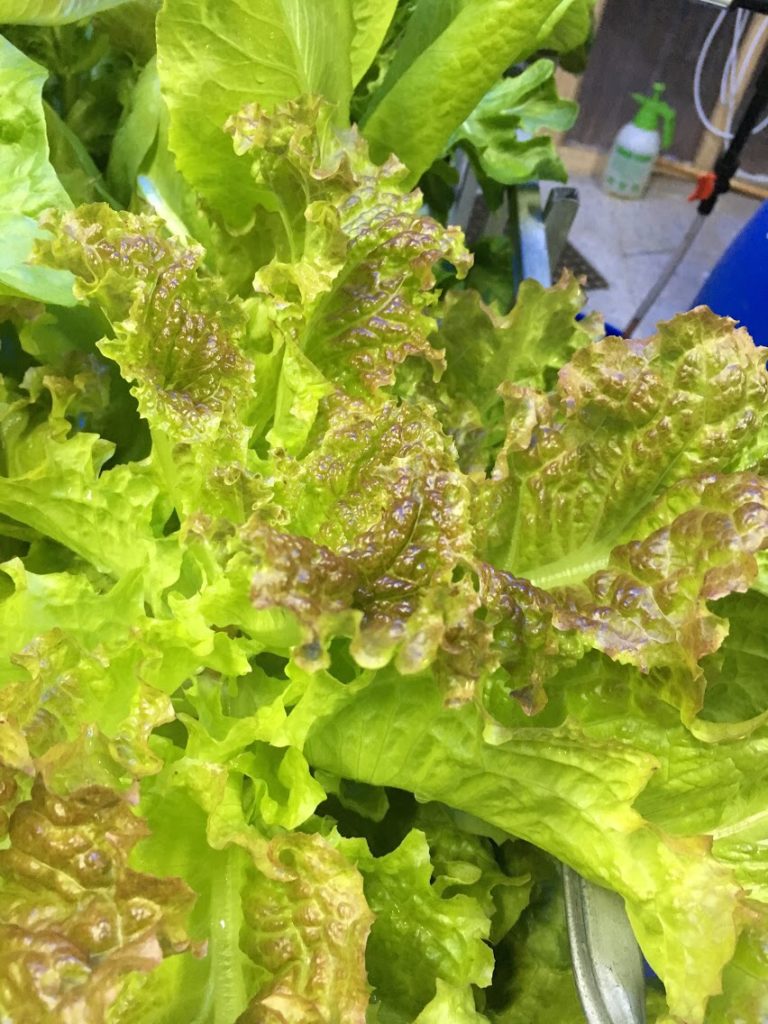
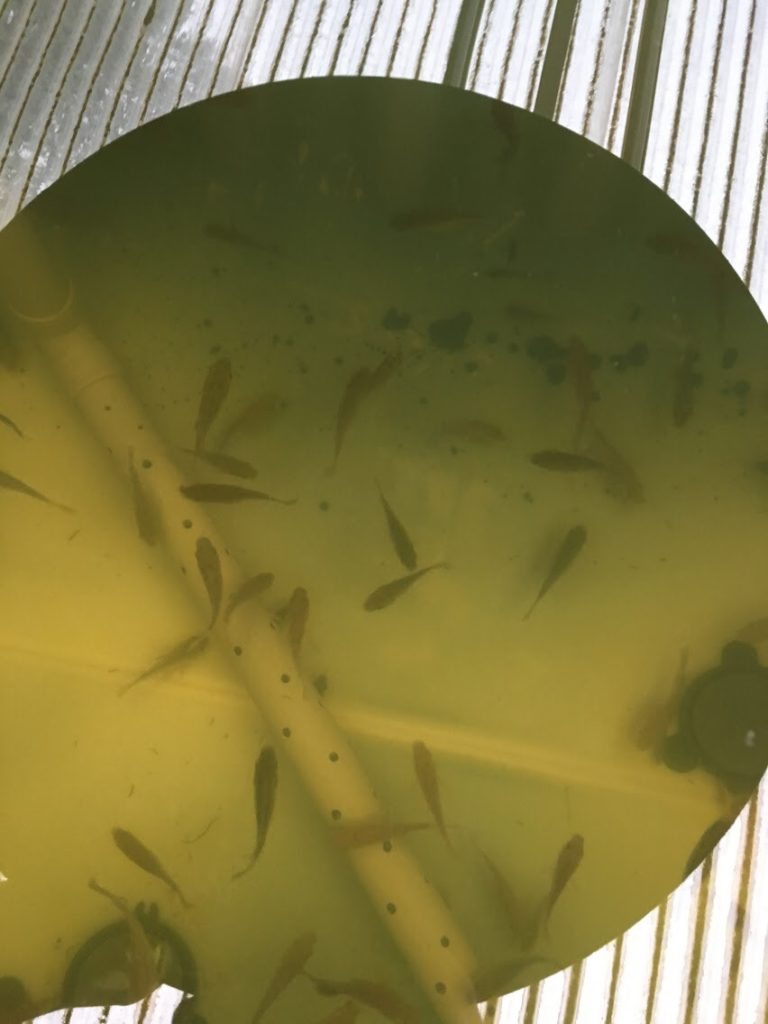
    • Fish [type: Oreochromis variabilis], – Crops seeds [Strawberry – Tomato – Lettuce]
    • DWC [Deep Water Culture] unit – according to FAO standards – consists of IBC [Intermediate bulk container] Tank of 1m3 of deep water. 
    • Rocket Filter: It is a customized, cheap and innovative filter that hesham built to accelerate the filtration of fish wastes except ammonia on one phase and clear them off. It is about [5$ – 10$] cost
    • Electric Power source.
    • Sensors for measuring and monitoring parameters of water quality & flow, Supplementary, fertigation. 

Implementation Method:

    • Building the aquaponics system by suspending the plant roots in a solution of nutrient-rich water by floating rafts to suspend plant roots into a pool of water about 1 foot in depth.
    • Building a Remotely controlled Tech unit that consists of:
      • Water Quality parameters control: Through installing sensors for measuring EC, PH, ORP, DO and Temperature.
      • Water Flow control Unit (Irrigation System): installing sensors for measuring the water level. And solenoid valve to control on the water flow.
      • Supplementary Automatic system for measuring Fe [iron], K [Potassium], Ca [calcium] in the water
      • Smart fertigation system: Controlling in the supplementary Automatic system with controlling in PH automatically.
    • Cloud Platform: All recorded data from the sensors are transmitted through wireless network LORAWan to be stored on a cloud platform. And a dashboard where real time records and insights of the data output are presented with the ability monitor and control remotely in Water quality & flow.

Aquaponics System Growth & Results:

Producing both of Fish and Organic crops in a sustainable and safe system and environment friendly. 

    • 40Kg of Fish [Oreochromis variabilis] – [300-400] gm for each in 5.5 months.
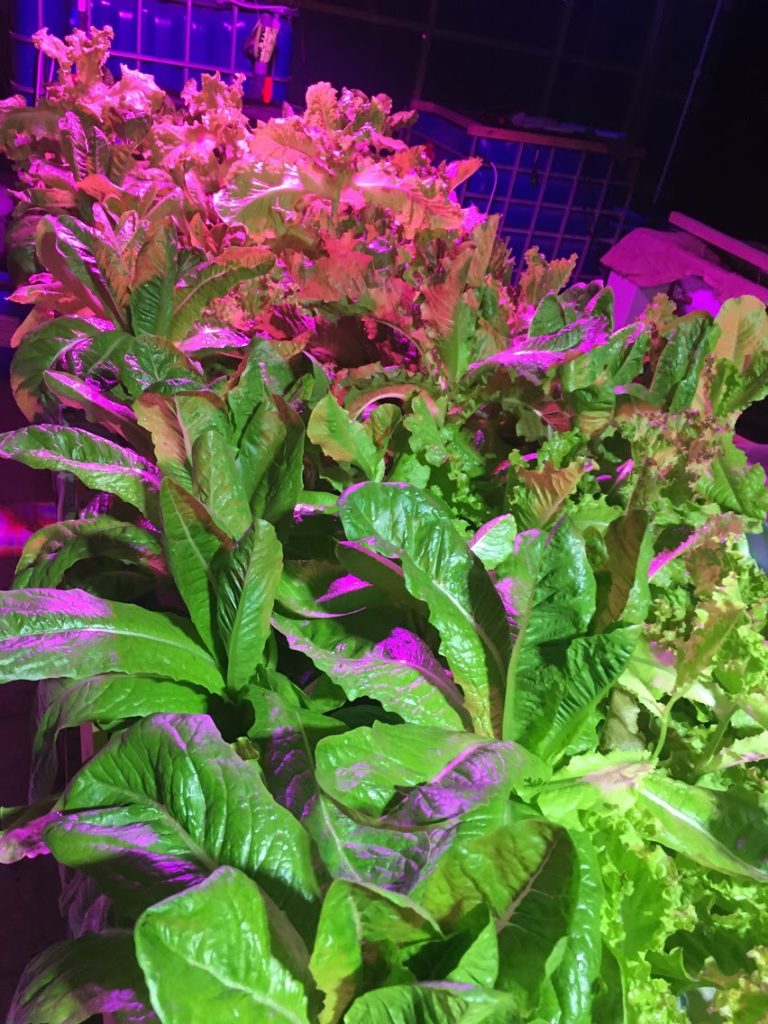
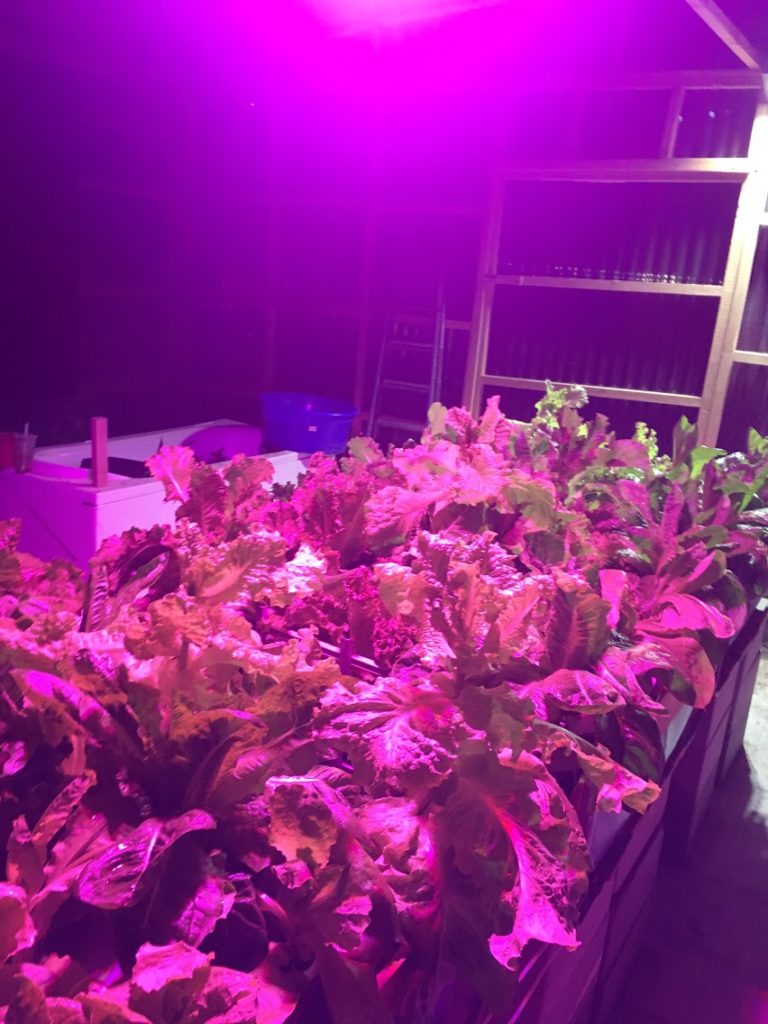
    • Growing crops of Strawberry in about 21 days – Tomato [3 months] – 5 types of Lettuce: [Oclaive, batavia, Romain, butterHead, Iceburg] after 45 days.

2. Compost Unit

Worm Composting

 Worm composting is using worms to recycle food scraps and other organic material into a valuable soil amendment called “vermicompost”. By feeding the fish solid waste to worms and get VermiCompost in liquid to be used as fertilizer to plants added to the water in the aquaponics system or produced in solid shape to be added to the plant soil.

EM [Effective Microorganisms] Bokashi Composting

Bokashi composting is an anaerobic process that relies on inoculated bran to ferment kitchen waste, including meat and dairy, into a safe soil builder and nutrient-rich tea for your plants.

3. AZOLLA Unit

A unit for cultivating Azolla and use it as a cheap supplemental for fish. Azolla has enormous potential as a livestock feed due to: Its high content in proteins, essential amino acids, vitamins (vitamin A, vitamin B12, Beta Carotene), growth promoter intermediaries and minerals.

How does the smart GreenHouse work?

The smart greenhouse is a sustainable system where all units serving each other. The fish waste provides nutrients to plants. And unused fish waste is feeding to worms in the composting unit to produce VermiCompost as fertilizer to plant. And cultivating Azolla to be used as protein rich source to feed fish. And Technology role is modifying and controlling in this system. The perfect model with the best result.

Smart GreenHouse Results

  • Zero Waste of water
  • 30% less in fish feed.
  • Double yield of organic crops and growing protein in the same unit and environment.
  • Sustainable system minimize the quantities and maximize quality of product in a safe and friendly environment.
  • 24/7 monitoring for the system with remotely control. 
  • Multiple sources of income of selling fish, VermiCompost, Compost Worms, Azolla.

Conclusion

Aquaponics systems work by using the waste from fish to naturally provide nutrients to plants Just like mother nature does in every aquatic ecosystem and the same in the other units of Compost unit, Biological Pesticides unit, Azolla Unit. And all units are serving each others in a closed loop of natural life and able to integrate with the natural system easily. And applying technology enables 24/7 monitoring & management for the system and remotely control.


Need Consultation in Internet of Things and Agriculture! Contact Me

Ask about the New Agriculture Techniques such as Aquaponics & Hydroponics, IoT Application in Crop Production & Livestock, Bio Integrated Farming, Agriculture 4.0!
Fill This form [Click Here] or send an email to Me@helbanna.com

Aquaponics | Sustainable Method of Raising Organic Vegetables & Fish

Aquaponics | Sustainable Method of Raising Organic Vegetables & Fish

Aquaponics System

Agriculture 4.0 New Techniques: Hydroponics, Aeroponics, Aquaponics

Hydroponics, Aquaponics, Aeroponics are examples of Agriculture 4.0 techniques that let farmers use the minimum quantities, ability to grow crops in arid areas and use abundant & clean sources such as the sun and seawater to grow food.

Hydroponics is growing plants in an environment where roots are ‘submerged’ in a continuous flow of nutrient based water, You can learn more about Hydroponics system on this article[Click Here].

Aeroponics: The plants roots hang in the air & a sprinkler system sprays them with nutrient based water rather than it being submerged. 

Aquaponics is a hybrid system that combines the best of aquaculture [raising fish] and hydroponics. “According to the Food and Agriculture Organization (FAO), Aquaculture is the farming of aquatic organisms including fish, molluscs, crustaceans and aquatic plants. Farming implies some form of intervention in the rearing process to enhance production, such as regular stocking, feeding, protection from predators, etc.”

Adding fish into the equation create a natural ecosystem in which fish, plants, and bacteria flourish off each other. The waste from fish and the living bacteria in an Aquaponics system delivers all of the nutrients that the plants need. This eliminates the need for a nutrient solution mixed with chemicals.

How does Aquaponics System work?

Aquaponics Cycle for producing Crops & Fishorganic Vegetables and Fish

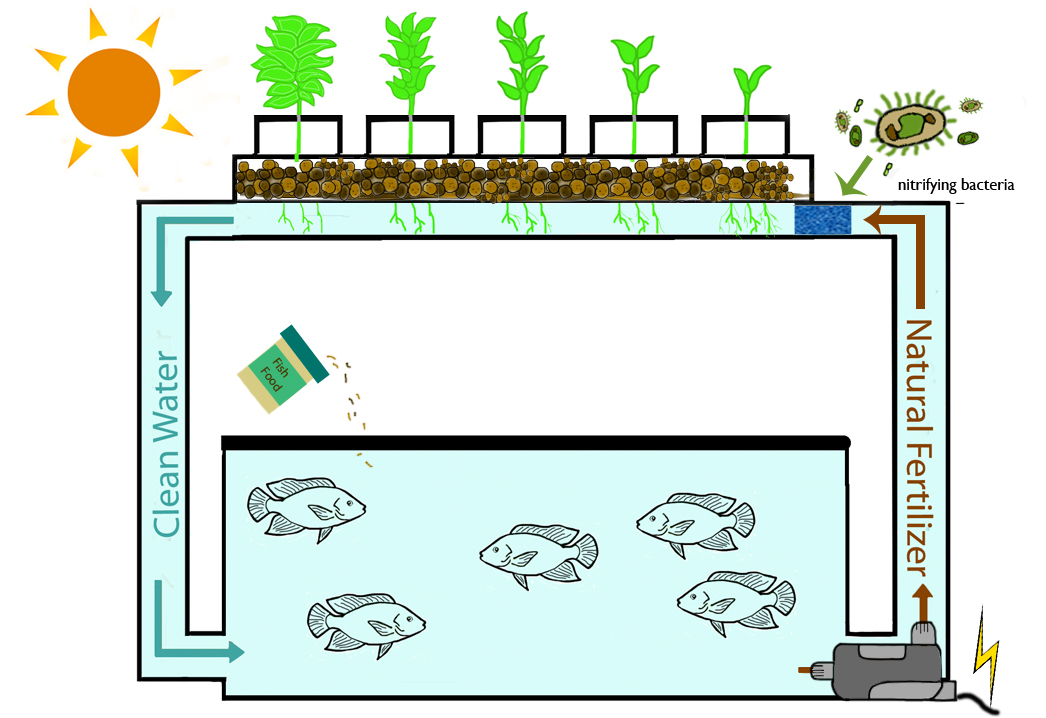
In an Aquaponics setup, water from the fish tank is recirculated throughout the system passing through the grow beds, where crops are steadily being cultivated. The fish will naturally excrete waste. The waste mixes with the water, increasing the ammonia levels. The plants absorb dissolved nutrients in the water and process ammonia, which is highly toxic to fish in increased levels. Normally, fish tanks are regulated by biological that neutralize ammonia to reduce the impact of feces on the fish.

Exchanging the waste by-product from the fish as a food for the bacteria, to be converted into a perfect fertilizer for the plants, to return the water in a clean and safe form to the fish. Just like mother nature does in every aquatic ecosystem.

Aquaponics is an improvement of Hydroponics system

Aquaponics system like the Hydroponics system is a very suitable for small spaces and you will grow plants and raise fish in the same system. 

Aquaponics is ZERO waste!, Water in hydroponics needs to be discharged periodically because of the salts and chemicals built up in it But Aquaponics systems achieve a natural nitrogen balance that is the hallmark of an established ecosystem.

Nutrients: Aquaponics relies on natural biological processes and is rewarded through better growth, less maintenance, and lower disease rates over time. If you can’t beat Mother Nature, you might as well join forces with her.

Aquaponics Market Growth

The growth in the global population has increased the pressure to boost the yield of crops especially fruits, vegetables and herbs and improvement in urban farming system. Rising awareness about the health benefits of fish consumption and organic food is supporting the growth of aquaponics market. Increasing use of aquaponics for research purpose is also driving the market growth. Growing popularity of aquaponics among farmers and individuals due to its cost advantages benefits and as a sustainable system is playing a key role in the growth of aquaponics market. 

Global aquaponics market is expected to reach approximately USD 1.3 billion by 2024, growing at a CAGR of around 10% between 2018 and 2024 [Report source].

Although the initial Cost of aquaponics [as well hydroponics system], high Electricity consumption and well educated labor of farmers on Fishing, technology are challenges of Aquaponics system, but it is considered as a best technique with a great yield of organic food of crops and Fish. Also flexibility for commercial, individuals, and education.

Sources: agritechtomorrow.com – igrow.news – theaquaponicsource – aquaponics.com
Image Sources: krishijagran.com – ecolifeconservation.org

Need Consultation in Internet of Things and Agriculture! Contact Me

Ask about the New Agriculture Techniques such as Aquaponics & Hydroponics, IoT Application in Crop Production & Livestock, Bio Integrated Farming, Agriculture 4.0!
Fill This form [Click Here] or send an email to Me@helbanna.com
Agriculture 4.0 – The Dream of Green World

Agriculture 4.0 – The Dream of Green World

Agriculture 4.0

Agriculture Generations from Ancient till Now

Since the ancient till 1920, and the world was using the traditional agriculture ways that depends on the moved knowledge between generations through thousands of years. The first generation of agriculture!, [Agriculture 1.0] is the era of Muscles of people in help of animals and using simple tools such as using ax, chadorov . But it is labor intensive, low productivity affair which fed the people but it needs 30% of the population to do it.

As the population is increasing, there would be a way for a cheap food. The second generation of agriculture [ Agriculture 2.0 ] is applying the industrial efficiency mindset into living realm and pushing farming onto the economic fringe. Agriculture 2.0 is the start of agronomic management practices like supplemental nitrogen and new tools like synthetic pesticides, fertilizers, better seeds and more efficient specialized machines helped farmers produce more with less effort. But it has done with significant social and environmental costs. 

And then the third generation of agriculture [ Agriculture 3.0 ] is a gradual introduction of more and more advanced and precision technologies starts with guidance systems and precision farming when military GPS-signals were made accessible for public, Telematics technology to monitor vehicle fleets, high-tech sensors, cloud computing, specialized software and data management. It is a move from pure efficiency in terms of cutting costs to profitability. 

Agriculture 4.0: The Dream of Green World based on Science and Technology

According to the UN Food and Agriculture Organization (FAO)[Report], about 800 million people – one in nine people on earth – are suffering from hunger  and don’t have enough food to lead a healthy active life. And by 2030 about 650 million of world populations will still be undernourished. By 2050 it is expected an increase in the population to almost 10 billion and urbanization increased by 2.4 billion people added to town and cities.

The world needs drastic change to solve this problem!. It is time to disrupt system before being disrupted and produce new techniques meet the demands of the future: Demographics, Scarcity of natural resources, Climate change, and Food waste to overcome the hunger and food scarcity problem [The Four main developments are placing pressure on the legacy agriculture model].

That’s why Agriculture 4.0 is Green and based on science and technology. It aims to improve and address the real needs of consumers, Applying more advanced technology of sensors, devices, machines, Information technology and it will use sophisticated technologies such as Robots, Artificial Intelligence, Machine learning. [Read also: Five Main Technologies create the future of Agriculture]

These advanced technologies will let farmers use the minimum quantities, ability to grow crops in arid areas and use abundant and clean resources such as the sun and seawater to grow food.

Agriculture 4.0 will make businesses and agriculture industry more profitable, efficient, safer and environmentally friendly.

Agriculture4.0|There are Three trends where applying Technology is showing examples

1. Produce Differently Using New Techniques

One of the Agriculture 4.0  goals is producing new techniques with minimum quantities of water, spaces, soil, energy, …etc. There are different ways for growing plants without soil using mineral nutrient solutions in a water solvent such as Hydroponics System, Aquaponics System [a combination of aquaculture (raising fish) and hydroponics] or Aeroponics system. These systems save energy and can use green energy source [such as solar energy or wind], save water up to 95% or reusing water with zero [like the Aquaponics system] or depending on sea water desalination, and also they are able to grow vegetables in any region and small spaces like urban roofs. Another technique is Algae Feedstock and make use of desert and seawater.

2. Use New Technologies to Bring Food Production to Consumers, Increase Efficiencies in The Food Chain

Vertical and urban Farming, a process of growing food  in vertically stacked layer by using soil, Hydroponics system or Aeroponics systems with up to 95% less water, less fertilizer, and nutritional supplements and better productivity. Applying 3D printing technology to food, cultured meat, genetically modification & Seawater agriculture are still in the early stage but could be game changer in the next decades.

3. Incorporate Cross-Industry Technologies and Applications

Digital transformation in agriculture will be a result of building a connected environment of data, people, sensors, processes, services, systems ….etc by using Internet of Things [IoT] technology, Analyzing Data output of sensors and devices, using other Artificial Intelligence technologies such as chatebots, machine learning, Blockchain, Drone, …etc 

Agriculture 4.0 will help in building tech-savvy, data-hungry young farmers have reinvented large-scale agriculture. By analyzing data gathered from new sensors, and connected devices. The farmers are able to track crop health, make planting decisions and guide fertilizer use to improve the efficiency of their businesses like never before.

The fourth Generation of Agriculture take us to a new era of environmental innovation that is driving better alignment between technology and environmental goals and results.

Sources: oliverwyman.com – planet.com

Need Consultation in Internet of Things and Agriculture! Contact Me

Ask about the New Agriculture Techniques such as Aquaponics & Hydroponics, IoT Application in Crop Production & Livestock, Bio Integrated Farming, Agriculture 4.0!
Fill This form [Click Here] or send an email to Me@helbanna.com