Aquaponics System in Smart GreenHouse
Agriculture 4.0| Bio Integrated farming
Objective
Building “Bio Integrated farm” where utilizing sustainable practices for plants, animals, Compost Piles, Aquaponics, Chicken, and More in a ZERO waste system.
Full System Components
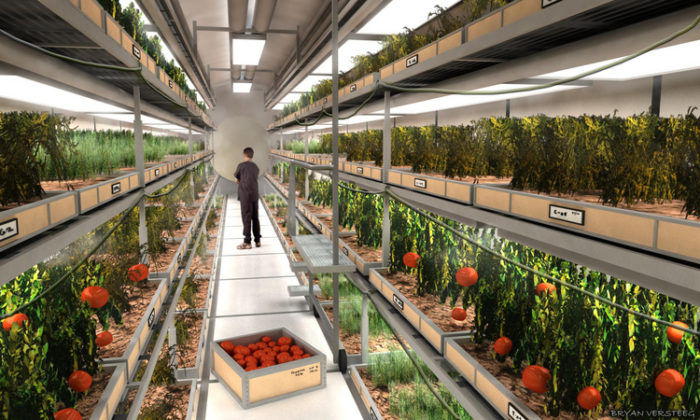
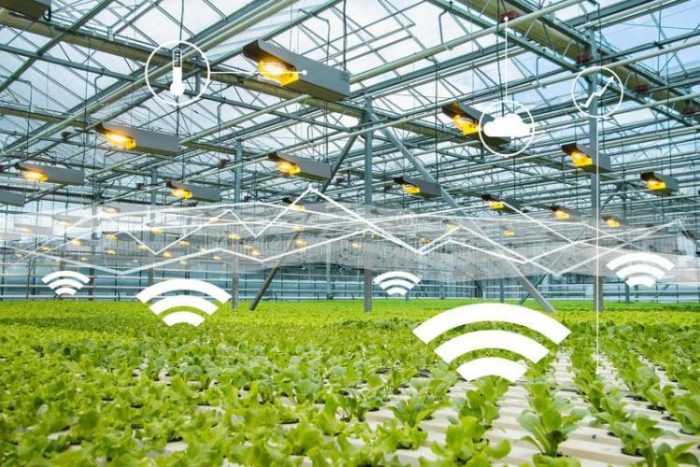
In a smart greenhouse where building units of Aquaponics System, Compost unit, Biological Pesticides unit and Azolla Unit with Real Time Monitoring and Management by IoT System.
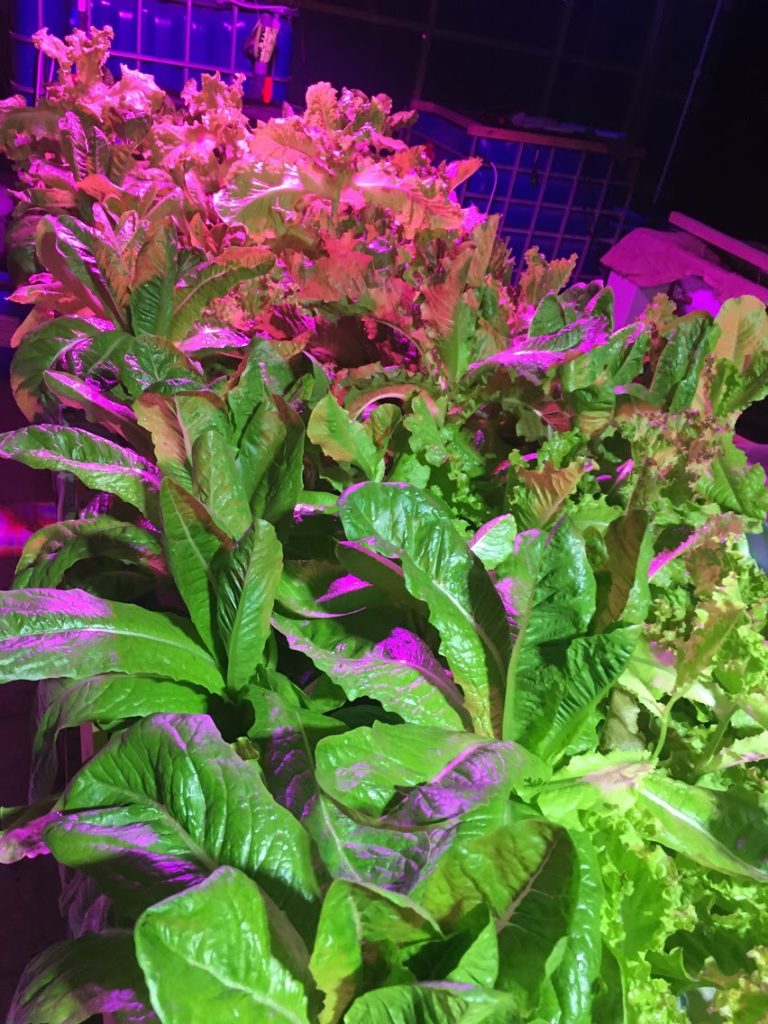
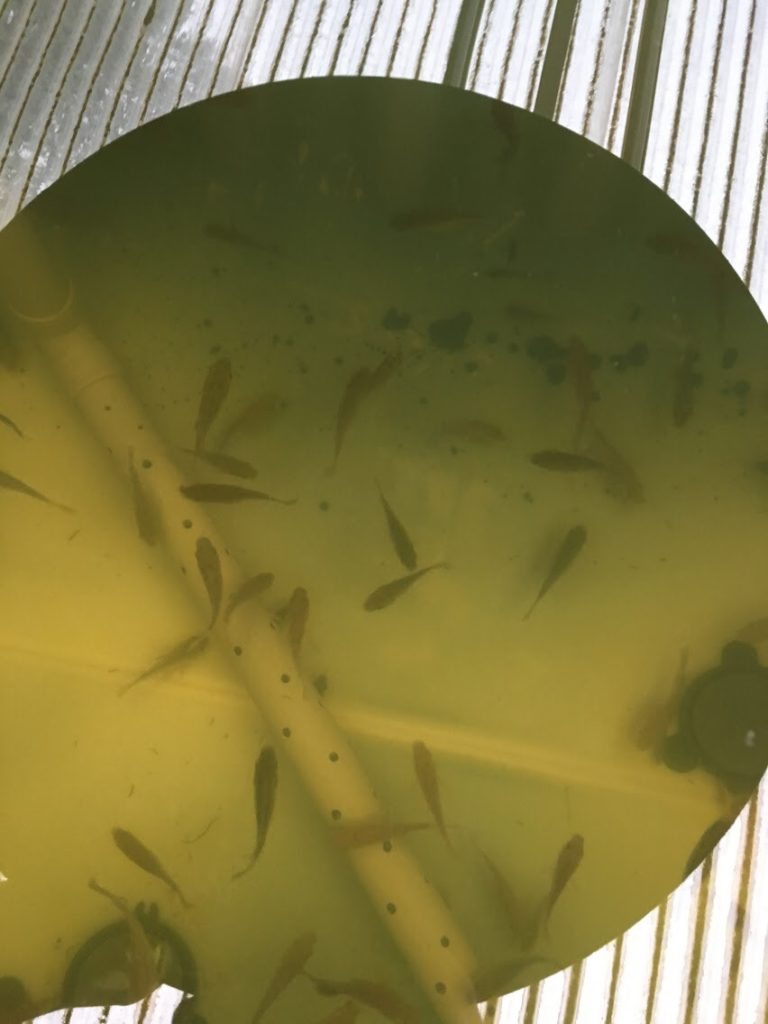
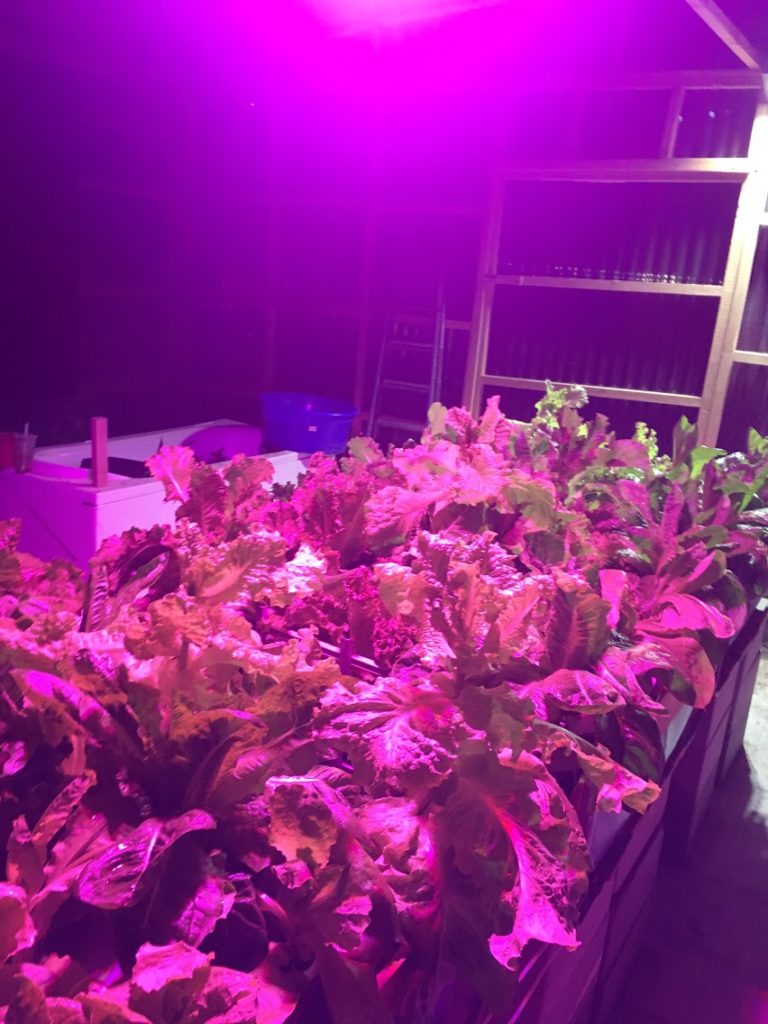
1. Aquaponics System
System Specs:
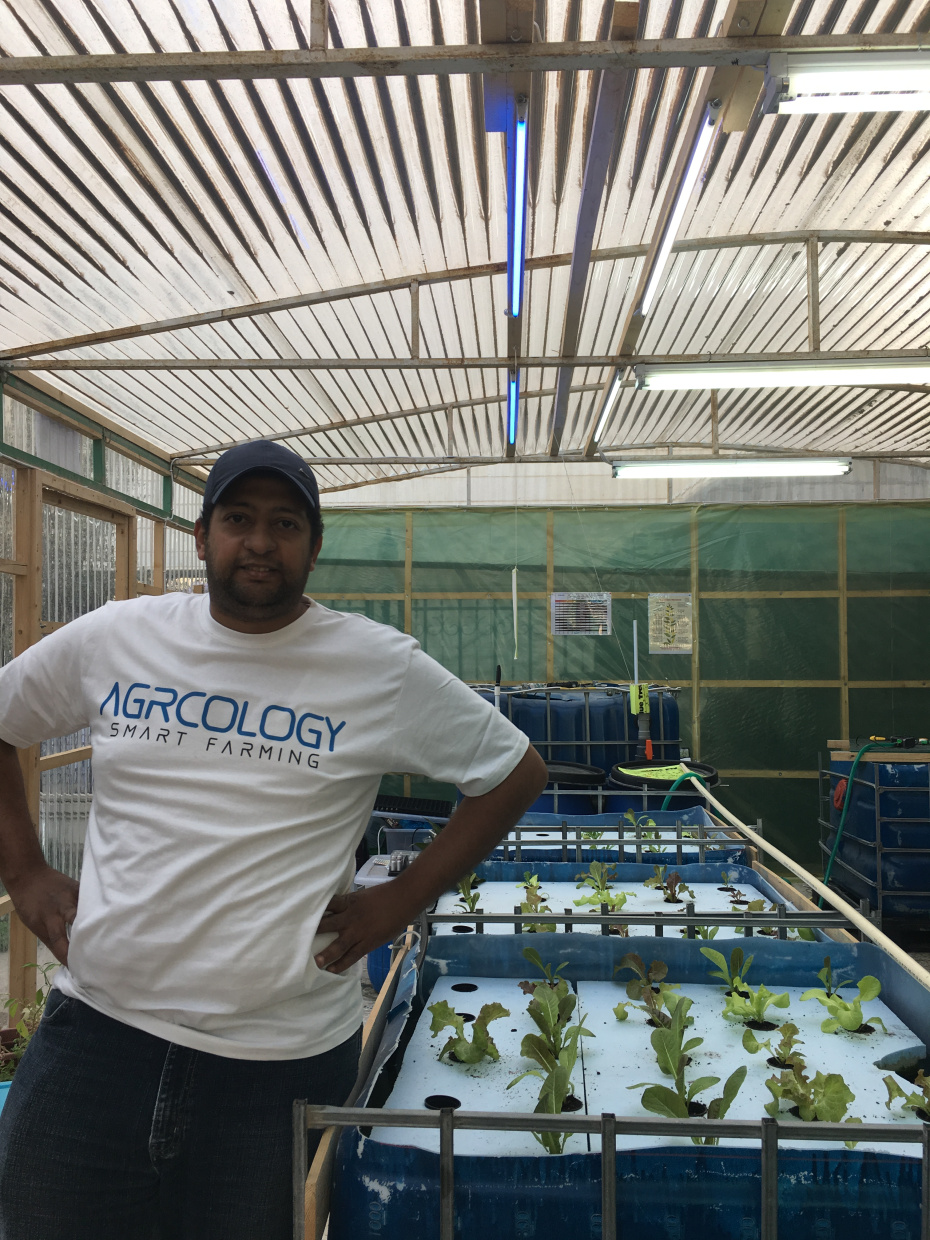
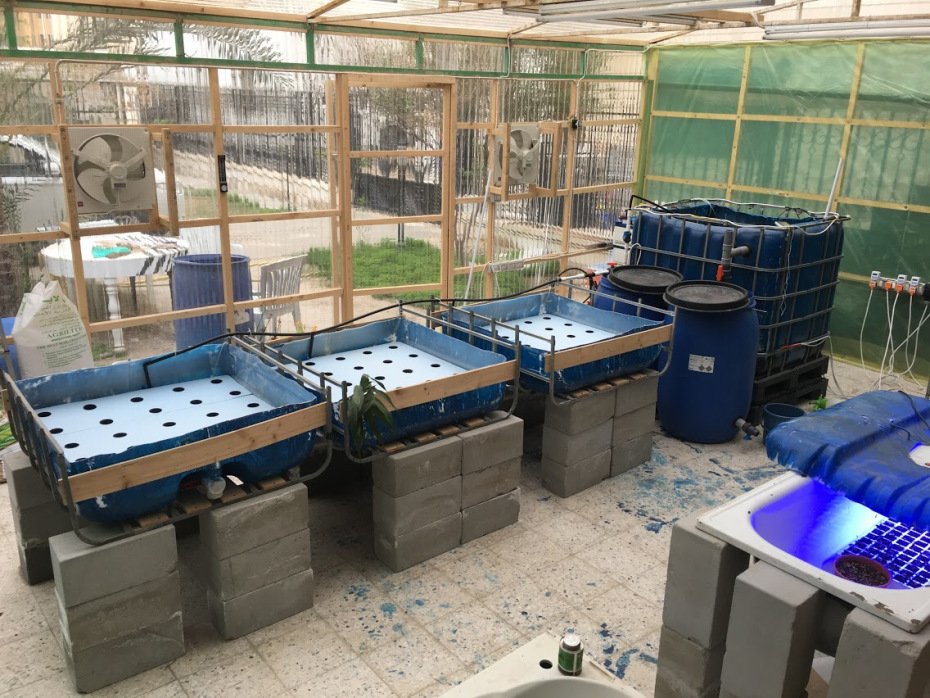
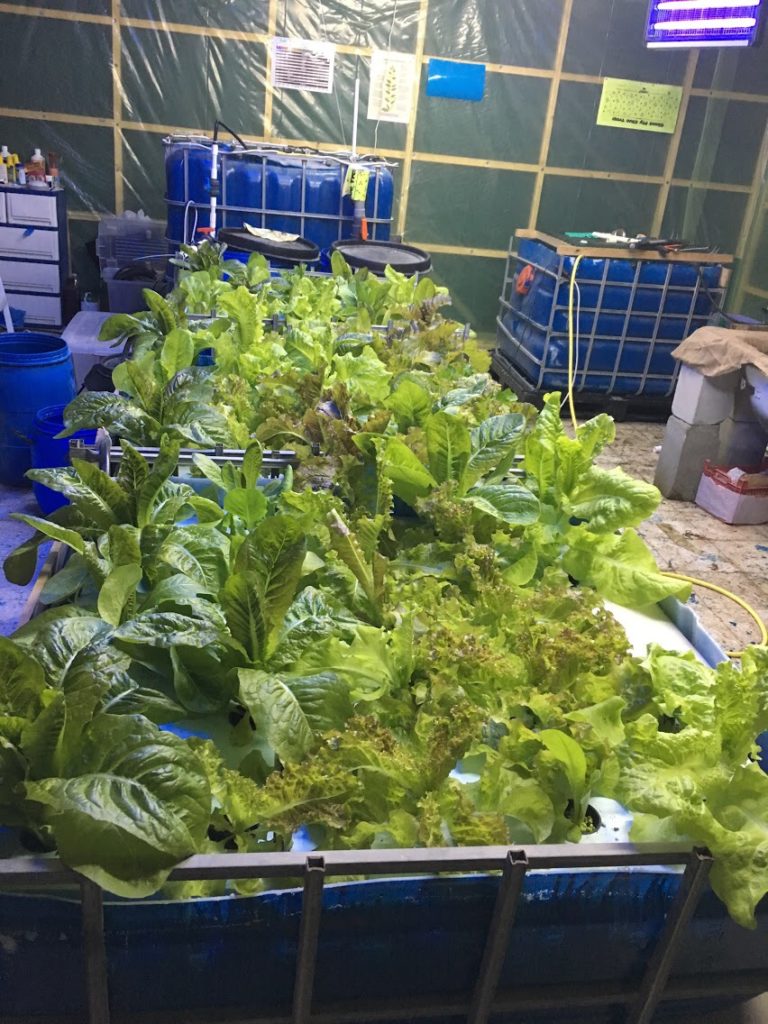
In a greenhouse made of poly-carbonate with 35 m2 Area, there is aquaponics system that consists of:
-
- Three grow beds where foam boards rafts is floating above, 1.2 m Length – 1 m Width each.
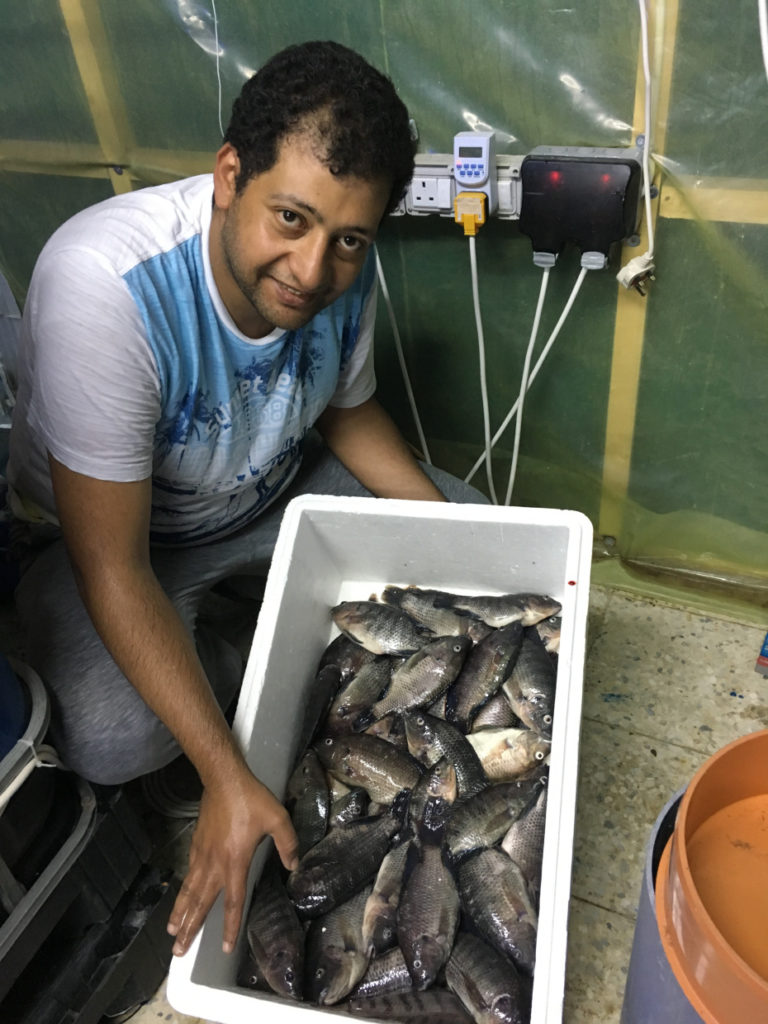
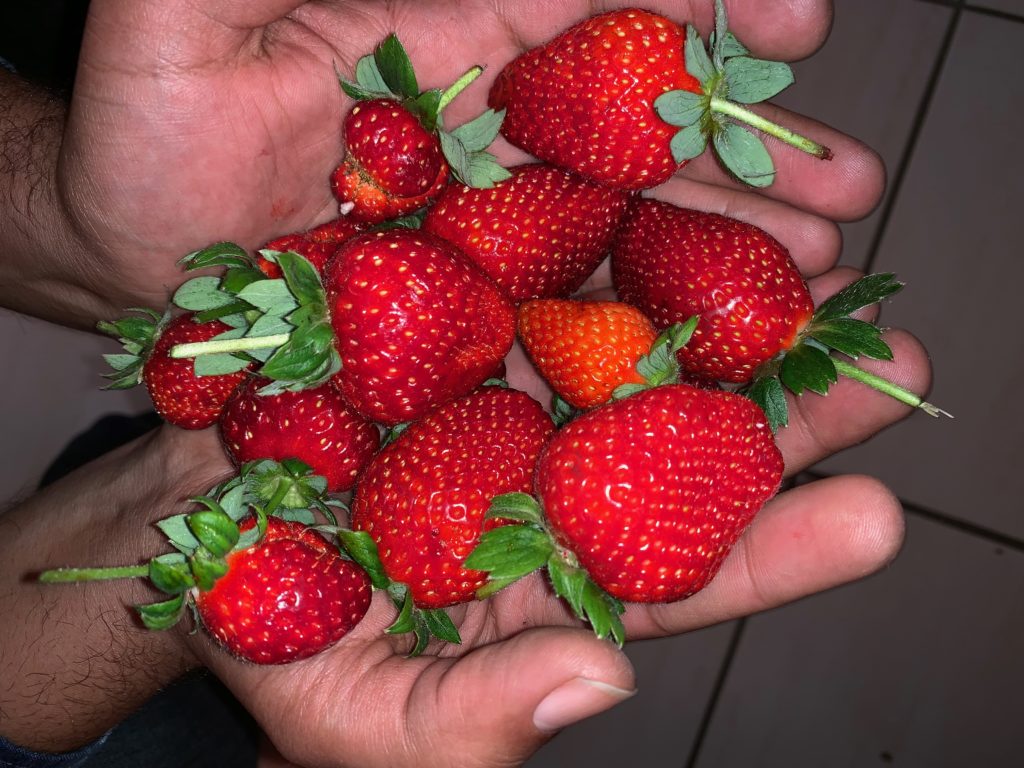
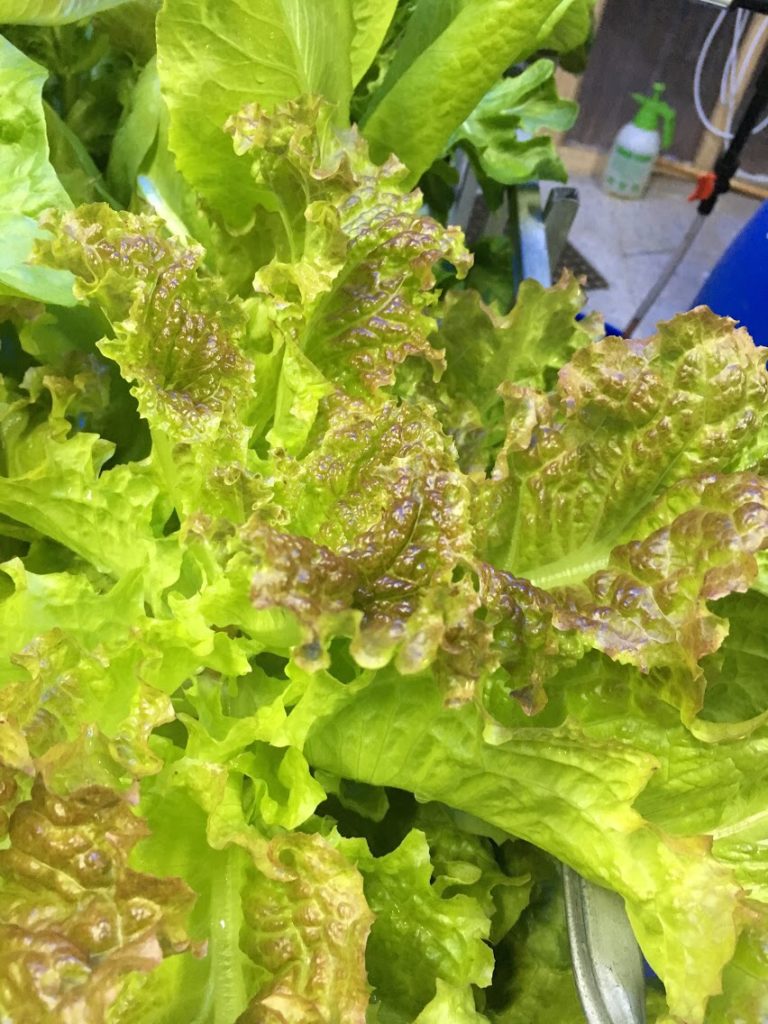
- Fish [type: Oreochromis variabilis], – Crops seeds [Strawberry – Tomato – Lettuce]
- DWC [Deep Water Culture] unit – according to FAO standards – consists of IBC [Intermediate bulk container] Tank of 1m3 of deep water.
- Rocket Filter: It is a customized, cheap and innovative filter that hesham built to accelerate the filtration of fish wastes except ammonia on one phase and clear them off. It is about [5$ – 10$] cost
- Electric Power source.
- Sensors for measuring and monitoring parameters of water quality & flow, Supplementary, fertigation.
Implementation Method:
-
- Building the aquaponics system by suspending the plant roots in a solution of nutrient-rich water by floating rafts to suspend plant roots into a pool of water about 1 foot in depth.
- Building a Remotely controlled Tech unit that consists of:
- Water Quality parameters control: Through installing sensors for measuring EC, PH, ORP, DO and Temperature.
- Water Flow control Unit (Irrigation System): installing sensors for measuring the water level. And solenoid valve to control on the water flow.
- Supplementary Automatic system for measuring Fe [iron], K [Potassium], Ca [calcium] in the water
- Smart fertigation system: Controlling in the supplementary Automatic system with controlling in PH automatically.
- Cloud Platform: All recorded data from the sensors are transmitted through wireless network LORAWan to be stored on a cloud platform. And a dashboard where real time records and insights of the data output are presented with the ability monitor and control remotely in Water quality & flow.
Aquaponics System Growth & Results:
Producing both of Fish and Organic crops in a sustainable and safe system and environment friendly.
-
- 40Kg of Fish [Oreochromis variabilis] – [300-400] gm for each in 5.5 months.
- Growing crops of Strawberry in about 21 days – Tomato [3 months] – 5 types of Lettuce: [Oclaive, batavia, Romain, butterHead, Iceburg] after 45 days.
2. Compost Unit
Worm Composting
Worm composting is using worms to recycle food scraps and other organic material into a valuable soil amendment called “vermicompost”. By feeding the fish solid waste to worms and get VermiCompost in liquid to be used as fertilizer to plants added to the water in the aquaponics system or produced in solid shape to be added to the plant soil.
EM [Effective Microorganisms] Bokashi Composting
Bokashi composting is an anaerobic process that relies on inoculated bran to ferment kitchen waste, including meat and dairy, into a safe soil builder and nutrient-rich tea for your plants.
3. AZOLLA Unit
A unit for cultivating Azolla and use it as a cheap supplemental for fish. Azolla has enormous potential as a livestock feed due to: Its high content in proteins, essential amino acids, vitamins (vitamin A, vitamin B12, Beta Carotene), growth promoter intermediaries and minerals.
How does the smart GreenHouse work?
The smart greenhouse is a sustainable system where all units serving each other. The fish waste provides nutrients to plants. And unused fish waste is feeding to worms in the composting unit to produce VermiCompost as fertilizer to plant. And cultivating Azolla to be used as protein rich source to feed fish. And Technology role is modifying and controlling in this system. The perfect model with the best result.
Smart GreenHouse Results
- Zero Waste of water
- 30% less in fish feed.
- Double yield of organic crops and growing protein in the same unit and environment.
- Sustainable system minimize the quantities and maximize quality of product in a safe and friendly environment.
- 24/7 monitoring for the system with remotely control.
- Multiple sources of income of selling fish, VermiCompost, Compost Worms, Azolla.
Conclusion
Aquaponics systems work by using the waste from fish to naturally provide nutrients to plants Just like mother nature does in every aquatic ecosystem and the same in the other units of Compost unit, Biological Pesticides unit, Azolla Unit. And all units are serving each others in a closed loop of natural life and able to integrate with the natural system easily. And applying technology enables 24/7 monitoring & management for the system and remotely control.
Need Consultation in Internet of Things and Agriculture! Contact Me
Ask about the New Agriculture Techniques such as Aquaponics & Hydroponics, IoT Application in Crop Production & Livestock, Bio Integrated Farming, Agriculture 4.0!
Fill This form [Click Here] or send an email to Me@helbanna.com