IoT and Precision Livestock Farming (PLF)

IoT and Precision Livestock Farming (PLF)

Like the crop monitoring, IoT technology can be applied for Animals too. Through attached sensors for monitoring their health, performance, Activity and nutrition insights of each cow. It is a great job, the farmers can’t do with the perfection and especially for the large number of livestock and different animals. 

Farmers in the U.S. lose nearly $2.4 billion per year from animal illnesses that lead to death, according to the USDA. In case of detecting Diseases or fertility/delivery cycle depending on farmers, once a symptom is detected, it is often too late!. And accordingly, the vet takes emergency measures rather than preventative measures. But when detecting variance in body temperature early, it would be better and accordingly, The vet can identify the cow’s condition in an early stage and take necessary action or precaution, thereby saving costs and more importantly, maintaining a healthy cow. And that is what Internet of Things can do for livestock.

Three cases on How IoT works for livestock

Cattle Movement & Behavior

Tracking your cows Not only to protect them from robbery but also tracking their movement details such as distances they walk daily. Tracking behavior and all anomalies in their eating, grazing patterns and socializing or lying down chewing the cud and sends the information to farmers. Knowing how often each of these behaviors occurs can allow farmers to monitor each cow health and finetune their herd’s feed requirements so they aren’t wasting food or overfeeding their livestock. Farmers can also use IoT devices to monitor feed levels so they know when a trough needs to be refilled or when they need to purchase more feed. 

Cattle Health: Fertility- Pregnancy & Calving

Cows have a limited time period in which they are fertile. This period can be as little as 8–9 hours a month. IoT Sensor is used to detect the fertility period for cattle, and ensures that this critical window of fertility is accounted for each cow in the herd. Also Detecting cows pregnancy and monitoring the calving process help in promoting safer and more successful outcomes and eliminates the continuous supervision to check whether calving has started or not. These information can be collected automatically about each cow and sent through the internet to the farmer mobile/tablet device.

In the recent researches Biosensors are playing a great rule in detecting animal disease such as Mastitis , ovarian cysts , lameness , apparatus and hormone levels like progesterone.

Lactation

Robots can increase a dairy operation’s milk production by allowing cows to choose when they would like to be milked. IoT sensors built within wearable around the cow’s neck notify farmers when cow is about to be milked and personalizing the session for her. Also it tracks milk amount, speed and quality of milk produced and tracking the amount of food that the cow consumed and amount of steps taken in a day. With the help of the databases gained from cow’s activity, farmers can help the cow improve their diets to increase lactation.

IoT devices can get information about each cow in your herd such as: Temperature, PH, Heart rate, location, milking, feeding and many other parameters can be measured with real-time monitoring for each cows’ health in the farm and it leads to increase the farm’s efficiency, productivity and revenue. But the data provided by these devices over time can be more powerful, Gathering these tons of data give a full view and understanding to all aspects of the farm. And Analyzing it by using machine learning will provide important information and insights that may not be easily identified such as predicting diseases or discover its reasons. Finally we can say that Applying technology helps ranchers minimize operating costs, reduce animal losses, improve birthing success rates, and increase animal health and safety.

Sources: easternpeak.com – sigfox.com – precisionag.com

Need Consultation in Internet of Things and Agriculture! Contact Me

Ask about the New Agriculture Techniques such as Aquaponics & Hydroponics, IoT Application in Crop Production & Livestock, Bio Integrated Farming, Agriculture 4.0!
Fill This form [Click Here] or send an email to Me@helbanna.com

IoT Applications in Crop Production

IoT Applications in Crop Production

Today, connected devices are penetrating our life in many sectors starts from health, Home automation, logistics, smart Cities and Industrial Internet of Things [IIoT]. Agriculture had many technological transformation in adaption with industrial revolutions till reaching out to Agriculture 4.0 that mainly focuses on applying technology in farming, Thus Technologies like IoT – Internet of Things – would find its application in Agriculture and building connected environment which is automatic and rich with data about each item. Let us divide the smart farming into three categories: Crop Production,  Livestock, and Smart greenhouse.
In this article we will explore use cases of applying IoT in Crop production and its benefits.

Smart Irrigation System

Saving Time, Water management, remotely monitoring & control system are benefits of Smart irrigation system that simply optimizes water levels based on sensors installed such as soil moisture sensors and help inform the farmer whether it is in need of water or not. By sending these data [that comes from sensors (things)] through WiFi, GPRS, LAPWAN to a cloud platform where all data is recorded and the end user [farmer] can control remotely and monitor the system. Also by adding the water pump to the loop, The system can be working full automatic with no need to labor. The sensor record data, valves take the action to turn motor ON and increasing water level based on the sensors recorded data.

Machinery & Equipment Tracking

Where is the machine working? How much work is done? How long do they work? Fuel consumption?. Connecting The machinery and equipment through sensors record data about machine work status and data about the machine itself such as fuel consumption, maintenance is helping in monitoring all processes of growing crops and keep your asset secure, Avoid Idle time of sudden incidents and monitor fuel consumption.

Fertigation

By Installing sensors for measuring parameters of the soil such as PH, Fe [iron], K [Potassium], Ca [calcium]…etc. And determining what the plant needs and providing it with the exact amount needed, Or mixing it with water automatically. It is a very simple way to talk to the crops and learn about what they exactly need.

Micro-Climate

Microclimates are the localised, dynamic interplay between different processes in the surface layer, such as energy and matter exchange, radiation processes and effects of the underlying surface. Microclimate components are Air Temperature, Humidity, Wind direction & Wind Speed and light. That’s why Microclimate sensors are important for promoting crop growth: 

  • Air temperature: The air temperature range, and diurnal and seasonal fluctuations, play a large role in determining the local flora and fauna. Higher air temperatures also have an influence on the spread and effects of pests and plant diseases. 
  • Humidity: As plants transpire, the humidity around saturates leaves with water vapor. When relative humidity levels are too high or there is a lack of air circulation, a plant cannot make water evaporate (part of the transpiration process) or draw nutrients from the soil.
  • Wind direction: essential to maintain good CO2 levels for growth, remove excess humidity, thereby reducing the potential for diseases. Further, many cereal crops are wind pollinated.

Disease Detection

Tons of data are being generated from the things [sensors installed in the farm that monitor the status of soil, water, climate …etc]. Analyzing these data and the changes happened by using Machine learning will to predict changes and diseases would happen. Or by using computer vision which means using a camera [Mobile camera through mobile app Or inspection cameras fixed in the farm or by using a camera fixed to drones] for capturing images to the crop and then analyzing the image by using machine learning/deep learning to find and classify the defected samples.

In a connected environment of IoT system that consists of Sensors/Actuators that record data about soil quality, Moisture levels, weather conditions, machinery …etc and transmit the recorded data though Communication network to a Cloud Platform where all data recorded and stored and could be presented through PC or Mobile Application. Gathering that Data will help in decreasing the chance of crop damage, monitoring environment parameter and plant growth. And  help in predicting pest behavior before they affect on the crops. Beside Smart irrigation system that help in decreasing the water waste.

Analyzing and correlating information about weather, soil, diseases …etc will assist farmers in taking the right decision at the right time. Applying technology optimize costs and labor usage, decrease water waste, and produce better quality yields. [Read also: Technologies change the future of Crop Production]

Sources: easternpeak.com – precisionag.com

Need Consultation in Internet of Things and Agriculture! Contact Me

Ask about the New Agriculture Techniques such as Aquaponics & Hydroponics, IoT Application in Crop Production & Livestock, Bio Integrated Farming, Agriculture 4.0!
Fill This form [Click Here] or send an email to Me@helbanna.com

4 Main Features of IoT Application in Greenhouse

4 Main Features of IoT Application in Greenhouse

IoT in Green House "All Season Garden"

Greenhouse farming is “all season garden” method used to enhance the yield of fruits, vegetables, crops… etc, by controlling and optimizing environmental factors that affect crops like temperature, ventilation, light exposure, and more. These can be in different structures range of sizes from small sheds to industrial-sized buildings and from semi-automatic to fully automated. 

Applying Internet of things [IoT] in agriculture – like the other sectors – has a great impact in saving time, Money, labor …etc beside Managing & Monitoring the Crop Production, Livestock and Greenhouses!. By Using different IoT sensors in the greenhouses, farmers are able to get information and control climate, water and soil. In this article we will discuss how technology is capable to build the perfect climate for growing the plants and decreasing water waste. In addition to getting information about crop needs of water, fertigation …etc.

We can divide IoT – Internet of Things – System work in the smart greenhouse as below:

Sensors: Record Data

To start communication with someone, you both should find a common language to understand each other. It is simply the same done here, Installing sensors for measuring and recording data about The climate such as [Humidity, vapor pressure deficit (VPD),Temperature, light, Co2 …etc], Water Quality parameters control Through installing sensors for measuring ec, PH, ORP, DO and Temperature, measuring Soil temperature and soil moisture and installing sensor for measuring the water level.

These sensors will provide data about water quality, soil, water level, internal weather in the greenhouse and all data required to know what the plant exactly need of water, fertilizing, light, …etc .

Communication & Remote Management

All data recorded need to be transmitted to the farmer, it is the role of the communication network gateway to read the sensors data and transmit it to the cloud platform or web/mobile app where the farmer can log in and have real time data about the greenhouse components. Through a dashboard, The farmer have an access to real time data about water quality parameters, water level and if it needs irrigation or not, weather, light, energy tracking and every thing.

Automation - Equipment Control

Automating processes will save time and increase the ability to control in critical cases and decrease the need to labor dependency. For example in irrigation: sensor record data about water level, and accordingly valves take the action to turn motor ON and increasing water level based. Lightning system: when it needs to increase/decrease the light intensity. Also controlling in harvesting equipment, robots, security cameras and doors lock.

Data Analytics

Gathering all data coming from different sensors installed in the greenhouse will give a full view about all the smart greenhouse components. Analyzing these data by using machine learning or deep learning technologies will help in getting meaningful information and insights which make better decisions related to harvesting, predicting upcoming weather conditions.

Applying IoT in Agriculture semi or fully controlled helped the farmers to maintain the quality of crops – in less operational cost- and fertility of the land, save water consumed in irrigation, enhance the product volume and quality.


Need Consultation in Internet of Things and Agriculture! Contact Me

Ask about the New Agriculture Techniques such as Aquaponics & Hydroponics, IoT Application in Crop Production & Livestock, Bio Integrated Farming, Agriculture 4.0!
Fill This form [Click Here] or send an email to Me@helbanna.com

Five Main Technologies Create the Future of Agriculture

Five Main Technologies Create the Future of Agriculture

Drones, IoT, Robotics, Data Analytics & AI, and Chat-Bot are Technologies change the Agriculture Today and in the Future.

Agriculture sector like other sectors is affected by the industrial revolutions. And the penetration of technologies in important sectors like agriculture would lead to great improvements and solve global problems of world climate changes, water waste, hunger, unhealthy food …etc. Merging industry4.0 advanced technologies and science for producing new techniques with minimum quantities of water, spaces, soil, energy and labor and this is the goal of “Agriculture 4.0”. In this article we will talk about four main technologies make changes in agriculture today and will create the future of agriculture.

Drones: “Drone is An eye in the sky”

Drones benefits in Agriculture

“Drone is an eye in the sky” This expression created by FAO because of the great uses of Drones in agriculture in Crop Production, early warning systems, disaster risk reduction, forestry, fisheries, as well as in wildlife conservation, for example. 

  • Crop Production: Combining the sensors data and imaging data of drones with real-time data analytics improve farm productivity. Drones  can produce 3-D Maps for early soil analysis, plan and execute seed planting in 85% less cost, assist in planning irrigation schedules, detect symptoms of pests infections and Nutrient deficiency, apply fertilizers, estimate yield data and provide valuable data for weather analysis based on micro climate concepts. Data collected through drones combined with other data sources and analytic solutions provide actionable information precision farming. [Read also: IoT Applications in Crop Production]
  • Disaster Risk Reduction: FAO in the Republic of the Philippines is using drones equipped with photogrammetric and navigation equipment with a ground resolution of up to three centimeters. It is used for detecting details of Water stress or lack of specific nutrients in crops.
  • Saving Fisheries: The Republic of Costa Rica is now using drones to detect illegal fishing and aid in prosecution of offenders.
  • Forestry: Inspection and capturing images for media purposes. And help in protecting forests from risks such as fires, excessive logging practices, calculation of desertification and evapotranspiration rates, resulting from transpiration of trees and trees, and then calculating the amount of water flowing to the rivers. 
  • Wildlife conservation: Drones fitted with high definition thermal cameras are also used to track, inspect and monitor livestock remotely.

IOT - [Internet of Things]: Connectivity and communications

How does Internet of Things improve Growing Plants

IoT – Internet of Things – builds two way communications between plants and farmer. Installing sensors measure parameters of Soil, climate, Water, light, livestock and everything included in your farm and record these data then it can be transmitted to your smartphone/ tablet/ PC hundreds or thousands of Kilometers away through the internet with real time monitoring and management for your farm. And by automating processes of irrigation, fertilization, milking, you are able to do that action by a click on your phone. IoT – Internet of Things – Technology is unifying the language between the farmer and the farm components, understanding and responding to the farm needs and accordingly improve the production quantity and quality. [Read also: Project: IoT in Smart Green House] and [The main IoT system Features].

Robotics

Robots are used in many industries in customer service, packaging, shipping, manufacturing, transportation and many industries. and soon, industries will hire robot employees. Agriculture robotics industry has many innovation in doing tasks like weed, hoe, planting, spraying and assist during harvesting and many other tasks in your farm.

Agrobot is one of the companies builds robotic strawberry harvesters to pick your fresh produce, all around the clock.

Data Analytics & AI - Predictive analytics help in Decision Making

Data Analytics & AI - Predictive analytics help in Decision Making

AI in agriculture appears in leveraging computer vision and deep learning algorithms in processing the data captured by drones or inspection cameras about crops and soil. Also through tracking and predicting the environmental impacts on crop yield by analyzing crop sustainability and evaluating farms for the presence of diseases and pests.

AI-driven technologies are emerging to help improve efficiency and to address the challenges that face the industry including, crop yield, soil health and herbicide-resistance.

ChatBot - Agricultural Advisory

ChatBot - Agricultural Advisory/ Agricultural Extension

ChatBot can do the role of Agricultural advisor who answer the farmer inquires and support in agricultural extension services. It is like a virtual assistant use a chat / voice conversational in interaction with farmers. This ideal solution serve farmers and governments too: Farmers will find all answers needed and real time support in any issue in farming and on the other side, the government or agent will access big data that can be analyzed and turned into meaningful information. 

Thanks for the technology that helps and supports in making us involved in the society in less time, effort, and greater productivity.

Sources: inifyetechnologies.com – emerj.com – leasingsolutions.bnpparibas
Image Sources: factordaily.com – pentoz.com – squareup.com – proagrica.com – dzone.com

Need Consultation in Internet of Things and Agriculture! Contact Me

Ask about the New Agriculture Techniques such as Aquaponics & Hydroponics, IoT Application in Crop Production & Livestock, Bio Integrated Farming, Agriculture 4.0!
Fill This form [Click Here] or send an email to Me@helbanna.com

IoT in The Smart GreenHouse

IoT in The Smart GreenHouse

Agriculture 4.0| IoT in Monitoring & Managing Green House

Objective

Building a connected environment between all the smart greenhouse units with ability to real time monitoring and controlling remotely through the internet.

System Specs:

Helbanna.com| Design of IoT system used in farming

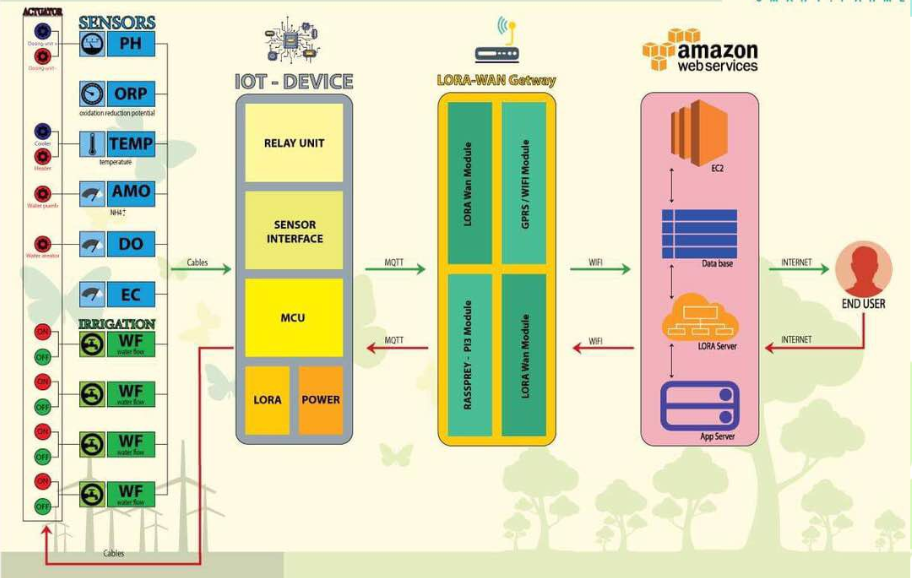
Logical Architecture of IOT [Internet of Things] system consists of 4 Units:

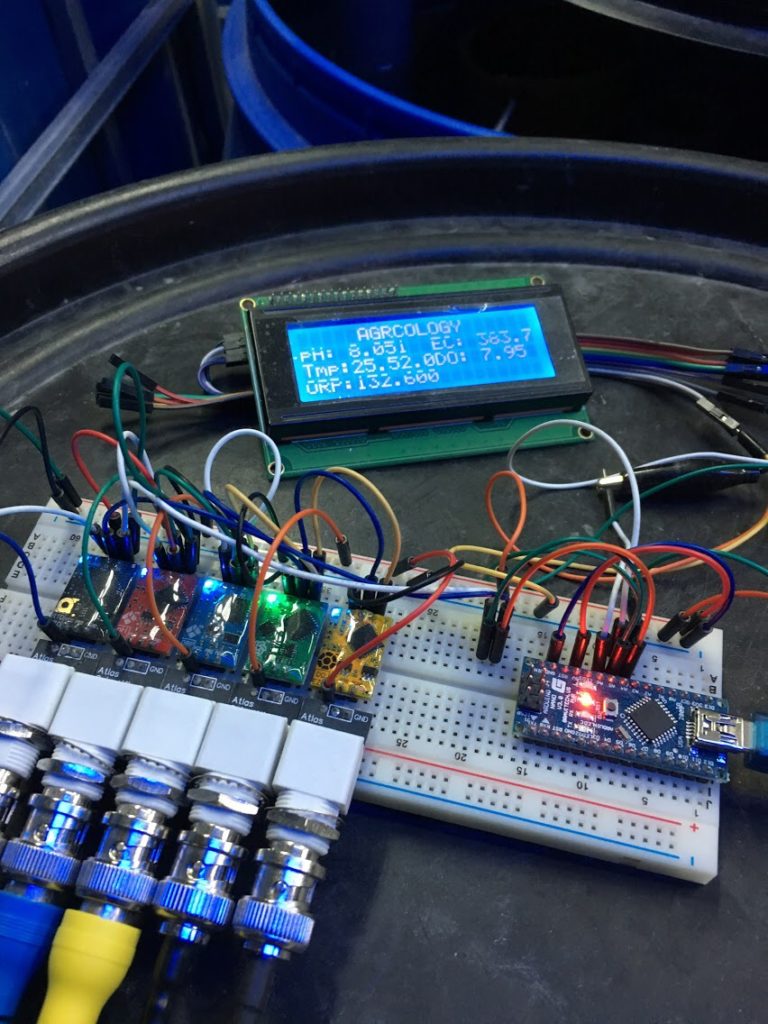
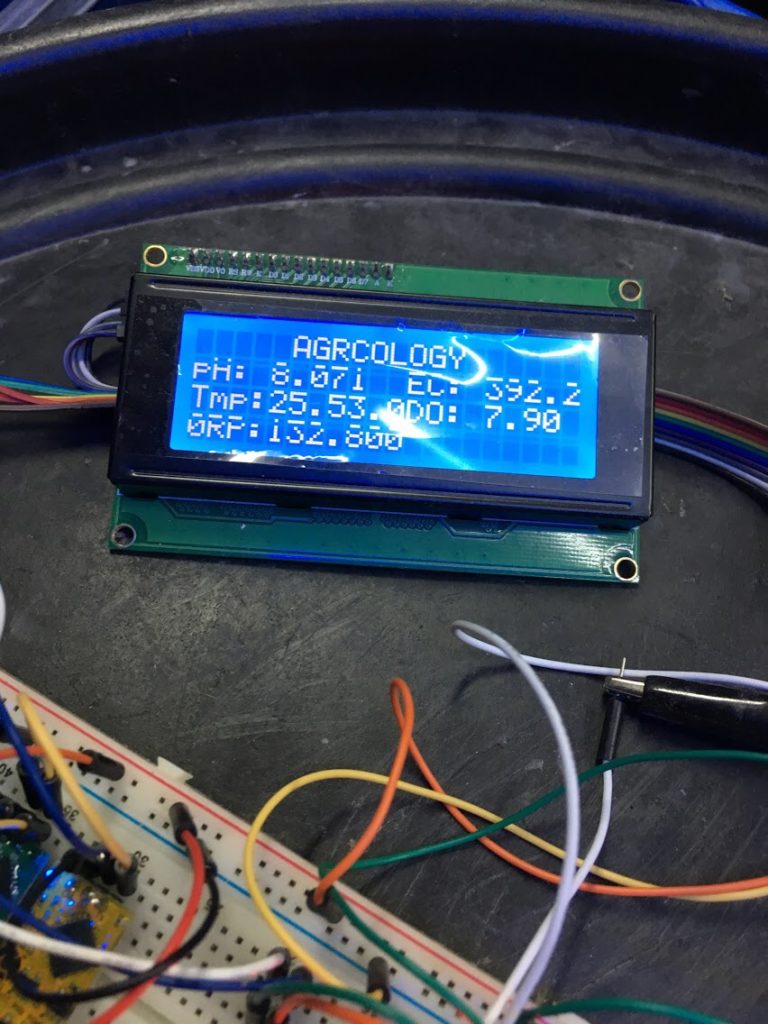
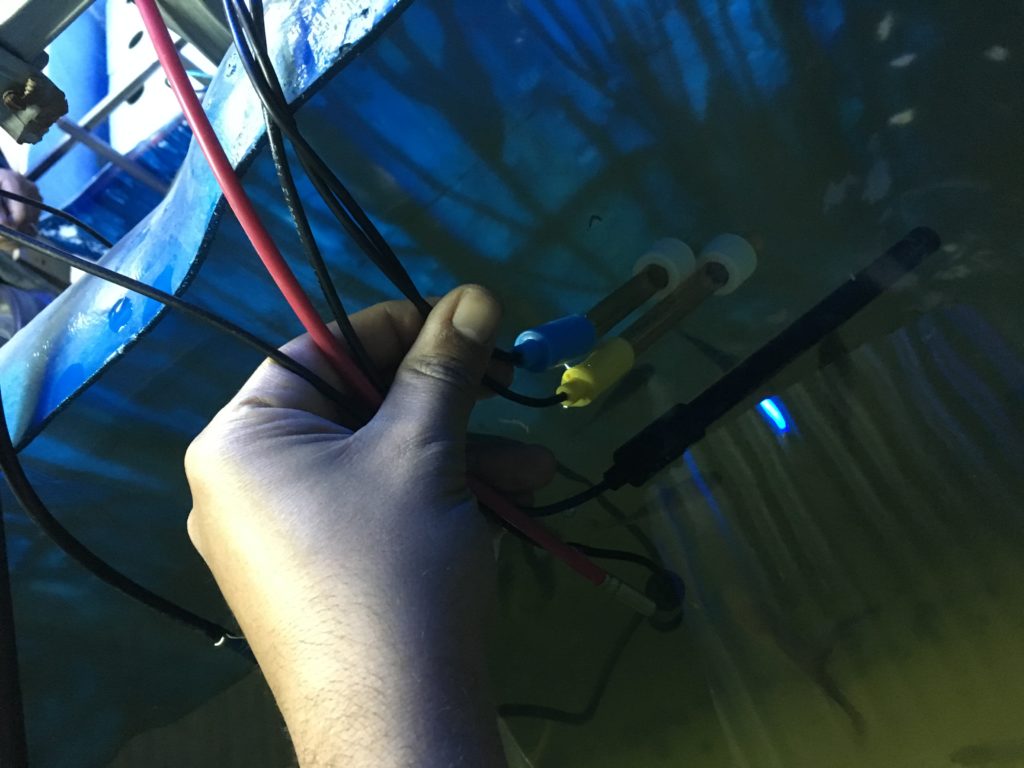
  1. Sensors [for measuring PH, ORP, Temperature, DO, EC, Ammonium NH4], Actuators [Solenoid, perialistic pump, piston pump, water flow meter ], tracking devices …etc. and these are considered “Lora Node”
  2. IOT – Internet of Things – Unit: It includes the MCU [Microcontroller Unit], Power, relay unit, sensor interface.
  3. LORA Wan Gateway: Gateway is responsible for sending data periodically from Nodes [sensors, actuators, …etc] to cloud based network server. LORA Wan is a great choice especially for long distances of tens of Kilometers and for its long battery life that reaches to ten years.
  4. Cloud Platform: It filters the duplicate packets from gateways, doing security check, storing data recorded in database and presented on dashboard [data visualization].

How does it work?

By installing actuators and sensors in the system for measuring water quality parameters, water flow in the aquaponics unit. And measuring moisture of soil in the worm composting unit. The signals are transmitted from sensors to cloud base network server through LORAWan network.

LORAWan – “Long Range Wide Area Network” is a standard for wireless communication that allows IoT devices to communicate over large distances with minimal battery usage. It consists of LORA Nodes [sensors, actuators, devices, …etc] and LORA Gateway. LORA Gateway received signals from Lora Nodes and transfer the signals from MQTT protocol to internet protocol to be sent to the cloud platform where the data recorded are stored on database and presented on an end user cloud platform.

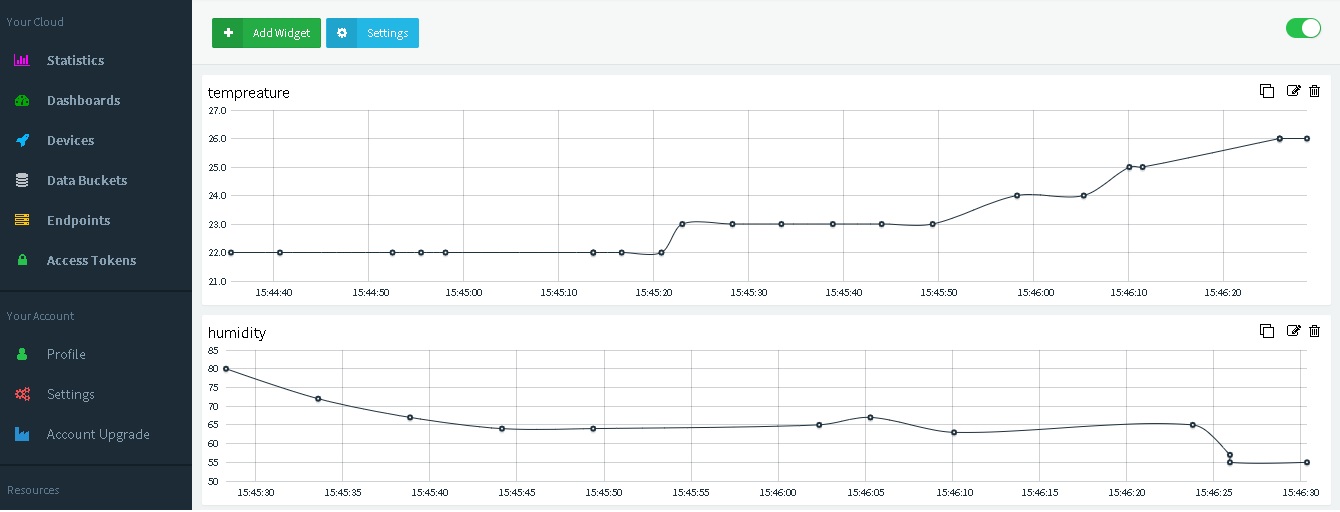
Helbanna.com| Dashboard of IoT data management sys

The end user sign in to a cloud platform where having a dashboard presents real time data records of all the system components with the ability to control remotely and taking an action that can be transmitted back through LORA Gateway to MCU.

Result of "Applying Internet of Things in Monitoring & Management Greenhouse"

  • Building a connected system of all the greenhouse items.
  • 24/7 Real time monitoring and remote controlling of the system and cultivation processes. 
  • Fully Water Management control through controlling the water flow and the water quality parameters.

Conclusion

It was a wonderful and successful experience for using IoT in agriculture and building a connected system of devices and tackling the challenges of communication network by using solutions like LORAWan model till data visualization of the parameters of water, soil, temperature, supplementary, …etc of all items of the greenhouse. The ability of real time monitoring 24/7 for the system and remotely control through cloud platform help in minimizing the quantity of water, fertilizers and supplementary and maximizing the quality & quantity of product [plant and fish]. 

And by applying advanced technologies for analyzing the data recorded from the system, it can be turned into useful insights to the business.


Need Consultation in Internet of Things and Agriculture! Contact Me

Ask about the New Agriculture Techniques such as Aquaponics & Hydroponics, IoT Application in Crop Production & Livestock, Bio Integrated Farming, Agriculture 4.0!
Fill This form [Click Here] or send an email to Me@helbanna.com

Agriculture 4.0 – The Dream of Green World

Agriculture 4.0 – The Dream of Green World

Agriculture 4.0

Agriculture Generations from Ancient till Now

Since the ancient till 1920, and the world was using the traditional agriculture ways that depends on the moved knowledge between generations through thousands of years. The first generation of agriculture!, [Agriculture 1.0] is the era of Muscles of people in help of animals and using simple tools such as using ax, chadorov . But it is labor intensive, low productivity affair which fed the people but it needs 30% of the population to do it.

As the population is increasing, there would be a way for a cheap food. The second generation of agriculture [ Agriculture 2.0 ] is applying the industrial efficiency mindset into living realm and pushing farming onto the economic fringe. Agriculture 2.0 is the start of agronomic management practices like supplemental nitrogen and new tools like synthetic pesticides, fertilizers, better seeds and more efficient specialized machines helped farmers produce more with less effort. But it has done with significant social and environmental costs. 

And then the third generation of agriculture [ Agriculture 3.0 ] is a gradual introduction of more and more advanced and precision technologies starts with guidance systems and precision farming when military GPS-signals were made accessible for public, Telematics technology to monitor vehicle fleets, high-tech sensors, cloud computing, specialized software and data management. It is a move from pure efficiency in terms of cutting costs to profitability. 

Agriculture 4.0: The Dream of Green World based on Science and Technology

According to the UN Food and Agriculture Organization (FAO)[Report], about 800 million people – one in nine people on earth – are suffering from hunger  and don’t have enough food to lead a healthy active life. And by 2030 about 650 million of world populations will still be undernourished. By 2050 it is expected an increase in the population to almost 10 billion and urbanization increased by 2.4 billion people added to town and cities.

The world needs drastic change to solve this problem!. It is time to disrupt system before being disrupted and produce new techniques meet the demands of the future: Demographics, Scarcity of natural resources, Climate change, and Food waste to overcome the hunger and food scarcity problem [The Four main developments are placing pressure on the legacy agriculture model].

That’s why Agriculture 4.0 is Green and based on science and technology. It aims to improve and address the real needs of consumers, Applying more advanced technology of sensors, devices, machines, Information technology and it will use sophisticated technologies such as Robots, Artificial Intelligence, Machine learning. [Read also: Five Main Technologies create the future of Agriculture]

These advanced technologies will let farmers use the minimum quantities, ability to grow crops in arid areas and use abundant and clean resources such as the sun and seawater to grow food.

Agriculture 4.0 will make businesses and agriculture industry more profitable, efficient, safer and environmentally friendly.

Agriculture4.0|There are Three trends where applying Technology is showing examples

1. Produce Differently Using New Techniques

One of the Agriculture 4.0  goals is producing new techniques with minimum quantities of water, spaces, soil, energy, …etc. There are different ways for growing plants without soil using mineral nutrient solutions in a water solvent such as Hydroponics System, Aquaponics System [a combination of aquaculture (raising fish) and hydroponics] or Aeroponics system. These systems save energy and can use green energy source [such as solar energy or wind], save water up to 95% or reusing water with zero [like the Aquaponics system] or depending on sea water desalination, and also they are able to grow vegetables in any region and small spaces like urban roofs. Another technique is Algae Feedstock and make use of desert and seawater.

2. Use New Technologies to Bring Food Production to Consumers, Increase Efficiencies in The Food Chain

Vertical and urban Farming, a process of growing food  in vertically stacked layer by using soil, Hydroponics system or Aeroponics systems with up to 95% less water, less fertilizer, and nutritional supplements and better productivity. Applying 3D printing technology to food, cultured meat, genetically modification & Seawater agriculture are still in the early stage but could be game changer in the next decades.

3. Incorporate Cross-Industry Technologies and Applications

Digital transformation in agriculture will be a result of building a connected environment of data, people, sensors, processes, services, systems ….etc by using Internet of Things [IoT] technology, Analyzing Data output of sensors and devices, using other Artificial Intelligence technologies such as chatebots, machine learning, Blockchain, Drone, …etc 

Agriculture 4.0 will help in building tech-savvy, data-hungry young farmers have reinvented large-scale agriculture. By analyzing data gathered from new sensors, and connected devices. The farmers are able to track crop health, make planting decisions and guide fertilizer use to improve the efficiency of their businesses like never before.

The fourth Generation of Agriculture take us to a new era of environmental innovation that is driving better alignment between technology and environmental goals and results.

Sources: oliverwyman.com – planet.com

Need Consultation in Internet of Things and Agriculture! Contact Me

Ask about the New Agriculture Techniques such as Aquaponics & Hydroponics, IoT Application in Crop Production & Livestock, Bio Integrated Farming, Agriculture 4.0!
Fill This form [Click Here] or send an email to Me@helbanna.com